
Mental Health and Emotional Wellbeing

At Gretton Primary School, we believe in promoting positive mental health and emotional wellbeing to ensure that the school is a community where everyone feels able to thrive. Our school ethos and values underpin everything that we do.
Who has mental health?
We all have mental health – some people call this emotional health or wellbeing.
What is mental health?
The World Health Organisation defines mental health as a state of wellbeing in which every individual achieves their potential, copes with the normal stresses of life, works productively and fruitfully, and is able to make a contribution to their community. Mental health includes our emotional, psychological and social wellbeing. It affects how we think, feel and act.
Good mental health and wellbeing is just as important as good physical health. Like physical health, mental health can range across a spectrum from healthy to unwell; it can fluctuate on a daily basis and change over time.
Most children grow up mentally healthy, but surveys suggest that more children and young people have problems with their mental health today than 30 years ago. It is thought that this is probably because of changes in the way that we live now and how that affects the experience of growing up.
What helps?
Things that can help keep children and young people mentally well include:
- being in good physical health, eating a balanced diet and getting regular exercise
- having time and the freedom to play, indoors and outdoors
- being part of a family that gets along well most of the time
- going to a school that looks after the wellbeing of all its pupils
- taking part in local activities for young people.
Other factors are also important, including:
- feeling loved, trusted, understood, valued and safe
- being interested in life and having opportunities to enjoy themselves
- being hopeful and optimistic
- being able to learn and having opportunities to succeed
- accepting who they are and recognising what they are good at
- having a sense of belonging in their family, school and community
- feeling they have some control over their own life
- having the strength to cope when something is wrong (resilience) and the ability to solve problems.
What happens in school?
In school, we teach children about what it means to have good mental health and wellbeing throughout our curriculum and daily practice.
Our RHE curriculum focusses specifically on developing children’s social and emotional skills which can prevent poor mental health from developing and help all children cope effectively with setbacks and remain healthy. It is about helping children to understand and manage their thoughts, feelings and behaviour and build skills that help them to thrive, such as working in a team, persistence, and self-awareness.
Each child also has a My Happy Mind lesson every week which focusses on their emotional health and wellbeing. Please do have a look at our My Happy Mind Page for further details.
Our SENDCo, Mrs Dodd is a trained Emotional Literacy Support Assistant, ELSA, and part of her role is to support a child's emotional development and support them in overcoming life's challenges. One of our TAs, Mrs Phillips is also a fully trained ELSA. She works with individual children and small groups weekly to support them with difficulties such as self-esteem, anxiety, conflict or friendship issues. Mrs Denham and Mrs Woolston are also working towards becoming ELSAs. More details about ELSA at Gretton can be found below.
Although mental health and wellbeing is a year round focus at Gretton, we also take part in World Mental Health Day and Children's Mental Health week too.
Wellbeing Dogs
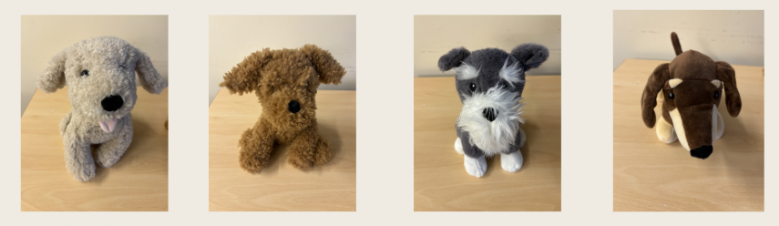
Buttercup (Robins) Waffle (Kingfishers) Oreo (Owls) Rolo (Eagles)
Each class has its own wellbeing dog. The children enjoy spending quiet time with their class dog, cuddling them or taking them for a calming walk around the playground when needed. They help the children to regulate their emotions, relax, and reset during the school day, supporting overall wellbeing in the classroom. They are very well loved members of each class!
What if my child is experiencing difficulties with their mental health and wellbeing?
Mental health doesn’t mean being happy all the time and neither does it mean avoiding stresses altogether. One of the most important ways to help your child is to listen to them and take their feelings seriously.
In many instances, children and young people’s negative feelings and worries usually pass with the support of their parents and families. It is helpful for the school to know what they are going through at these times, so that staff can be aware of the need and support this.
Coping and adjusting to setbacks are critical life skills for children, just as they are for adults, but it is important that they develop positive, rather than negative, coping skills.
If you are ever worried about your child’s mental health and wellbeing then, just as you would about any concerns that you have about their learning, come and talk to us. Sometimes children will need additional support for a short period – this may be in the form of a daily check-in with a trusted adult, time to talk through what they are feeling and support in developing ways of moving forwards with this.
If your child is distressed for a long time, if their negative feelings are stopping them from getting on with their lives, if their distress is disrupting family life or if they are repeatedly behaving in ways you would not expect at their age, then please speak to your child's teacher or Mrs Dodd, our SENDCo.
Looking after yourself as a parent/carer
If you’re finding things difficult, it’s important to notice this and reach out. Talk to someone you trust and share how you’re feeling. Many people keep struggling because they believe they should cope on their own or don’t feel they deserve or they won't receive support.
Please remember—you’re not alone. You can speak to one of the staff team confidentially at any time. Let us know if things are becoming challenging. Even when you try to hide how you’re feeling, children often notice small changes.
If things start to feel overwhelming, please contact your GP. Asking for help from a doctor or seeking a referral to a counselling service is a positive and courageous step. You deserve support, and looking after your own wellbeing is an important part of supporting your child.
Please also see our half termly SEND and Wellbeing newsletters, which contain lots of useful support.
Useful Links
 Children's mental health - Every Mind Matters - NHS
 Home - Mind
 YoungMinds | Mental Health Charity For Children And Young People | YoungMinds
 Child mental health: recognising and responding to issues | NSPCC Learning